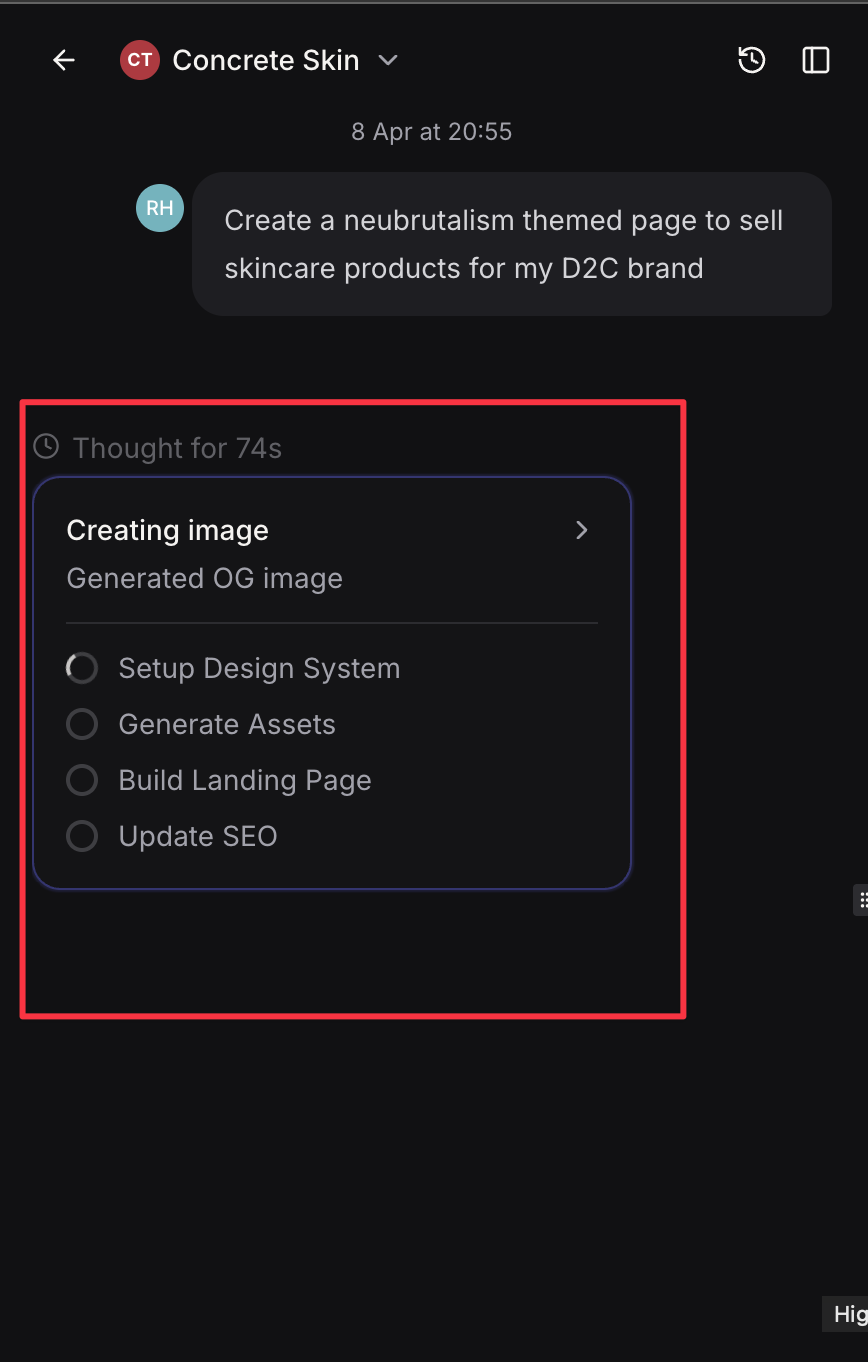
AI Studio: Enhanced agent tasking workflow with “Todo Manager”
This update introduces a significant enhancement to the agent-tasking workflow, transforming task management from implicit bookkeeping into an explicit workflow primitive. The primary benefit is a reliable, flexible, and user-friendly system for managing multi-step agent tasks, accompanied by improved planning and context awareness.
Previously, tasks were managed using numeric indices, which were fragile and susceptible to errors.
Task transitions were inferred, leading to potential mismatches and inefficiencies.
The UI representation was limited to static labels and ambiguous statuses.
New Flow with Todo Manager
The introduction of the to-do manager allows for explicit handling of task creation, transitions, and additions.
Numeric task indexing has been replaced with label-based transitions for enhanced clarity and accuracy.
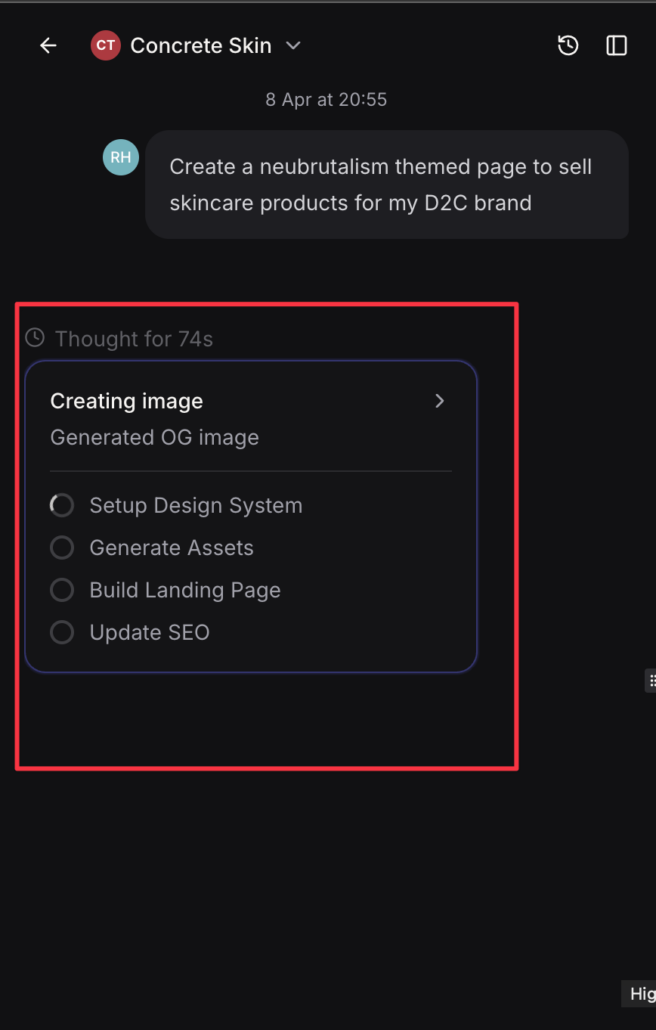
The UI has been upgraded to feature dynamic statuses for both active and completed tasks.
Planning and context awareness have improved, enabling the model to better understand task sequences and dependencies.
Descriptive labels for tasks have been added, enhancing the frontend progress display.
Backward compatibility has been maintained for the existing UI while allowing for richer labels.
Technical Enhancements
Task management has been centralised in a meta-tool, reducing prompt and tool overhead. Tool schemas now provide more structured outputs.
The system prompts have been updated to align with the new workflow, ensuring improved agent behaviour.
Context awareness has been enhanced, supplying AI models with richer task-related information for superior results.
More Reliable Progress Tracking: Explicit task transitions provide better dependability in multi-step tasks, allowing for dynamic task additions and accurate status updates.
Enhanced UI/UX: The system now offers clearer progress states with human-readable labels.
Reduced Overhead: Streamlined architecture and schema handling result in lower resource usage and fewer errors.
Better Planning and Context Awareness: These improvements enhance the model’s ability to comprehend task sequences and dependencies, leading to more efficient execution.